How Can Phones Help Fight Digital Misinformation?
Phones play an unexpected but important role in helping people filter information and recognize what is trustworthy. Because they stay with us throughout the day, they guide quick checks, support better judgment, and give users tools to slow down before believing or sharing something. A phone can help someone pause, verify, compare, and understand context without needing technical skills. It encourages people to look deeper instead of reacting instantly. When used thoughtfully, it becomes a helpful partner in forming balanced viewpoints and avoiding confusion online. These small behaviors create a stronger sense of clarity and make it easier to see the difference between reliable information and misleading content.
How Phones Strengthen Everyday Verification
Encouraging Quick Cross-Checks Before Believing Something
Phones make it easy to compare the same fact across multiple sources. When someone sees a surprising claim, they can immediately look up alternative viewpoints, related discussions, or background context. This quick comparison helps them identify signals of reliability, such as whether the information appears consistently across other places or whether it changes when they check again later. Many people use this method instinctively during conversations, study sessions, and social browsing. Because the phone is always within reach, the extra step of cross-checking becomes natural. The habit doesn’t require long research; it simply nudges users to confirm before reacting. Over time, these small actions create a healthier flow of information around them, as fewer unverified claims get repeated in their circle.
Helping Users Notice Gaps, Patterns, and Inconsistencies
Smartphones assist users in noticing when something feels incomplete or inconsistent. A person might check timestamps, compare images, or look at how the same topic is described elsewhere. These small actions reveal whether a piece of content aligns with established information or contradicts itself. Many people also rely on simple visual cues: formatting quality, writing clarity, or whether details appear too vague to be reliable. Phones make it easy to zoom in, screenshot, or save items for review. These micro-interactions help the user slow down and analyze details they might overlook when scrolling quickly. This awareness supports critical thinking and helps people understand when something deserves a closer look.
Supporting Better Interpretation Through Access to Context
Phones connect isolated claims with their broader context. A user can look up definitions, locate original sources, or check surrounding details that explain why something was said. This deeper layer of context helps them understand the tone, intent, and purpose behind the content. For example, someone may explore background information, look at a timeline, or search for additional references. Phones also help users follow related topics easily, which gives them a more complete picture. When a person views content with more context, they interpret it more accurately and avoid misunderstandings. Phones make this easy because everything needed for context gathering sits in one device, allowing the user to build understanding step by step.
How Phones Support Healthier Information Habits
Guiding Users Toward Slower, More Mindful Reactions
Phones help people slow down by offering gentle prompts or personal routines that encourage checking before sharing. Someone might choose to take a short pause, reread the content, or search for supporting details before acting. These small pauses protect users from reacting emotionally or impulsively. Phones support this by keeping information organized through notes, reminders, or saved items. The user forms a rhythm where checking becomes second nature. Even a short delay creates space for reflection. This pause often reveals whether a claim feels dependable or exaggerated. With consistency, this mindful approach becomes a personal habit and supports more thoughtful engagement with digital content.
Helping People Build Reference Libraries for Clearer Thinking
A phone enables users to store helpful insights, save trustworthy explanations, or organize collections of reliable information. This stored knowledge becomes a personal reference library that supports clearer decision-making. When someone encounters content that seems confusing, they can compare it with their saved notes or links. This comparison helps them recognize patterns, spot exaggerations, and identify when something contradicts what they’ve previously learned. These reference collections give confidence because the user can confirm things independently without relying on outside opinions. Phones make this process effortless, and the library grows naturally over time as users collect material that helps them understand different topics more clearly.

Empowering Users to Explore Multiple Perspectives
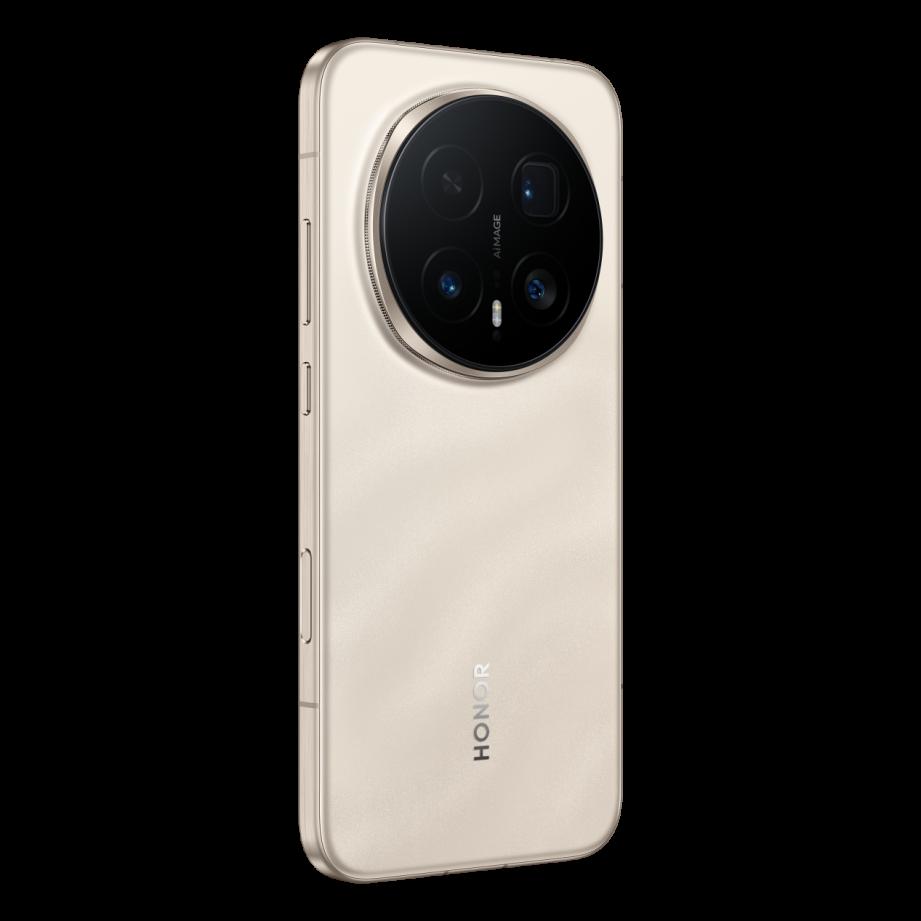
Learning from different viewpoints helps people avoid narrow interpretations. Phones give users exposure to a wide range of approaches, explanations, and discussions. This diversity helps the user form a more balanced understanding. When they see contrasting perspectives, they learn to evaluate ideas with more nuance instead of accepting the first explanation they encounter. This habit encourages open-minded thinking. It also helps users recognize when certain statements lack depth or omit important details. The ability to explore multiple sides of a topic strengthens overall judgment. Many users appreciate how this exploration feels smooth and natural on devices that offer stable performance, such as the HONOR Magic8 Pro, which keeps the process fluid without disrupting focus.
Conclusion
Phones help fight digital misinformation by supporting thoughtful habits, clearer verification, and more accurate interpretation. They let users cross-check information quickly, explore context, and notice subtle inconsistencies. They also encourage mindful reactions that prevent impulsive sharing and create room for reflection. Phones give people simple tools to store reliable references, build personal understanding, and explore topics from multiple angles. These small, everyday actions help users stay grounded and reduce confusion when navigating digital content. By blending awareness, clarity, and accessible verification into ordinary routines, phones become useful partners in maintaining accuracy and confidence in the information people encounter each day.